
Workforce processes
Hiring, onboarding, records and offboarding. When these are handled differently by different people, small errors repeat.
Workforce Management
Workforce administration usually grows one step at a time until nobody is sure how the whole process works. TriState Pay helps employers look at those processes and understand the options that exist.
Start With the Work
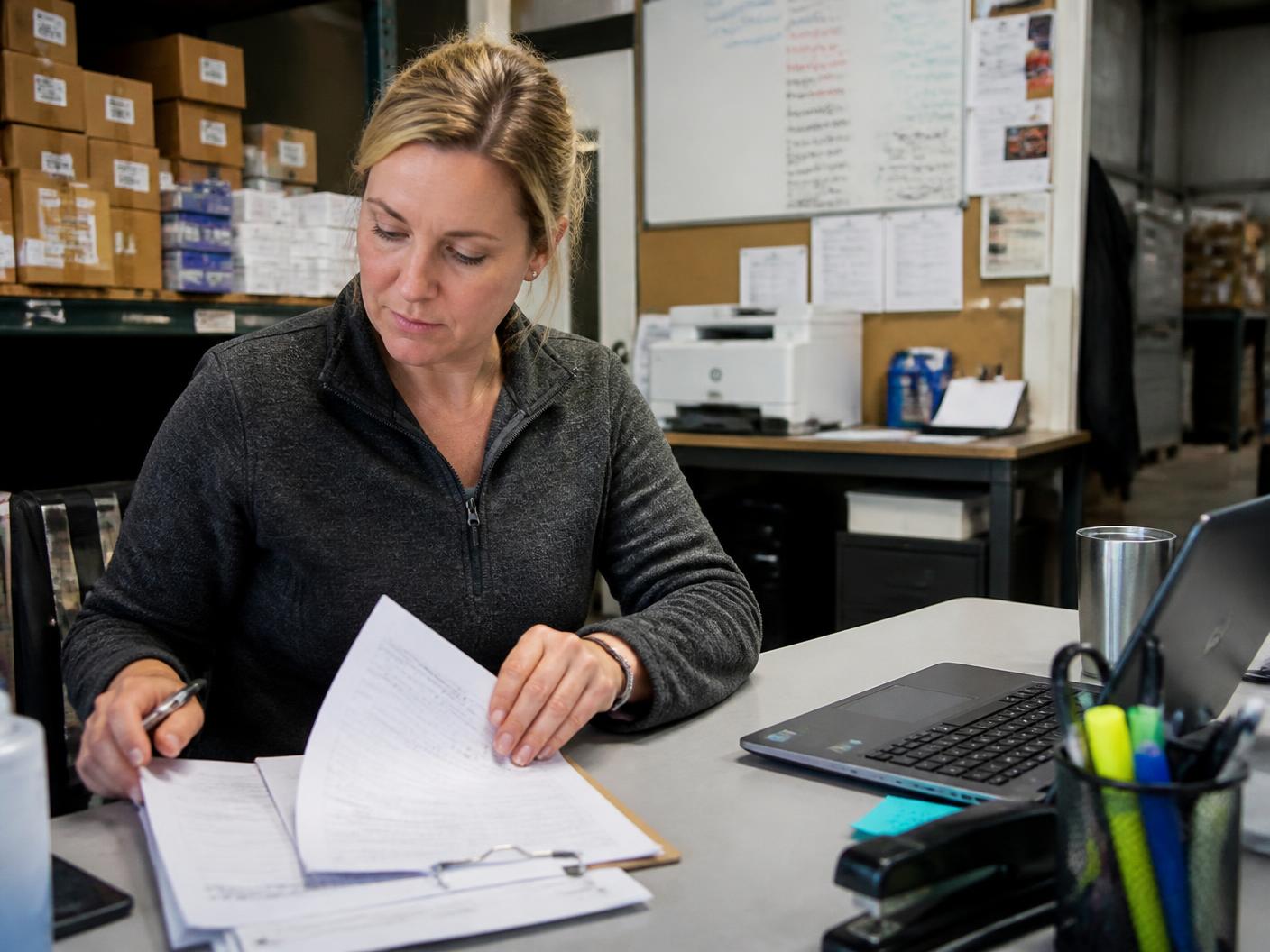
The goal of this conversation is understanding. What does the business do today, where does the effort go, and which of the available approaches would actually reduce work.
The Starting Point
How the business actually works today
Then Consider
Technology is part of that discussion when it helps. It is not the starting point, and no platform is recommended before the process is clear.
One Operating System
These areas work together. Looking at the handoffs between them often reveals more than reviewing each task by itself.
Hiring, onboarding, records and offboarding. When these are handled differently by different people, small errors repeat.
Day-to-day employee questions and requests. Who answers them, and how much time that takes each week.
Documentation, employee communication and internal consistency, discussed in general business terms.
Where hours are recorded and how that information reaches payroll. Specific capabilities are confirmed case by case.
The Workforce Flow
Employee information moves through the business. Each handoff affects the work that follows, from onboarding through payroll and ongoing administration.
Hiring and onboarding
Employee records
Time and attendance
Payroll
Ongoing administration
Recognizable Signals
These symptoms often appear gradually. Together, they can show that the administration no longer fits the way the business operates.
The same employee information is entered more than once
Employee records live in several places
Headcount has grown faster than the process
Payroll corrections happen most cycles
One person holds all the process knowledge
Onboarding takes longer than it should
Connected Business Decisions
Employee records, classifications and time information can shape payroll changes, benefit deductions and the administration surrounding both.
Primary View
Employee records, classifications, time and attendance, onboarding and ongoing administration.
Connected To
Time information, classifications and payroll changes.
Connected To
Employee administration, records and benefit deductions.

Norman's Workforce Perspective
Norman has seen how workforce processes develop in small and mid-sized businesses over more than 30 years, including where changes can create new work instead of removing it. The conversation starts with current operations and stays practical.
A direct conversation with Norman
What Happens Next
The first conversation identifies where workforce administration is creating friction and which part deserves a closer look first.
Describe how employee administration works now and who carries each part of it.
Identify where information, responsibility or repeated manual steps are creating friction.
Decide which part of the process deserves attention before discussing a wider change.
Describe how employee administration works today. Norman will point out what is worth looking at first.